
Samsung Galaxy Ring Review: Health Tracking & Battery Tested
1,477 views
You buy a health wearable to learn something about yourself. Then you spend half your time charging it, checking it, or wondering why last night's sleep score suddenly dropped by 18 points.
The Samsung Galaxy Ring takes a different route.
No screen. No apps on your finger. No stream of notifications.
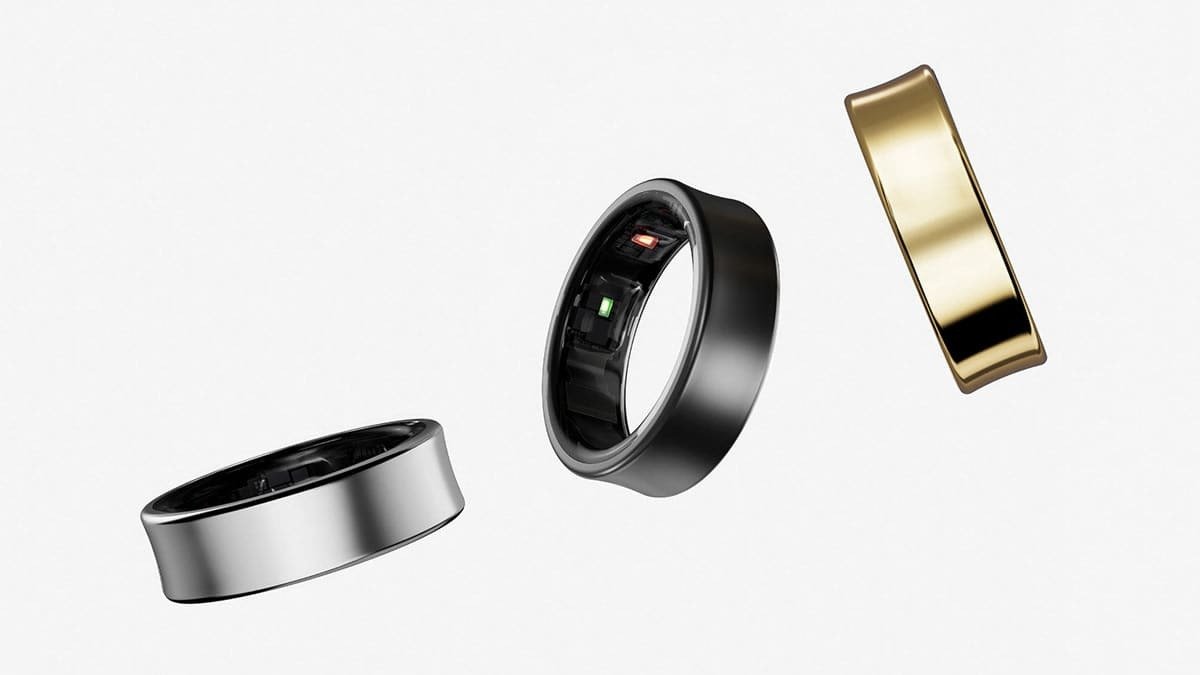
Just a titanium ring collecting health data while you work, sleep and move around.
This updated 2026 review takes a narrower angle than a basic feature rundown: what the Galaxy Ring is actually like as a long-term, low-maintenance health tracker, where the battery claims hold up, and where Samsung's ecosystem restrictions become impossible to ignore. That's especially relevant because GadgetRadar has already covered the Galaxy Ring's launch-era capabilities. The more useful question now is whether the hardware has earned a place in a daily tech setup rather than simply whether Samsung managed to make a smart ring.
Samsung Galaxy Ring at a glance
Feature | What you're getting |
|---|---|
Launch price | $399.99 / £399 |
Sizes | US sizes 5–13 in the original launch specification |
Weight | 2.3g–3.0g, depending on size |
Sensors | PPG, accelerometer, skin temperature |
Connectivity | Bluetooth Low Energy 5.4 |
Water resistance | 10ATM and IP68 |
Ring battery | Up to 6–7 days, depending on size |
Charging case | 361mAh portable battery |
Phone requirement | Android 11+ with at least 1.5GB memory; Samsung Health and Galaxy Wearable required |
Samsung's published battery figures are size-dependent. Smaller rings are rated for up to six days, while the larger sizes receive the headline seven-day estimate. That's a detail worth paying attention to before ordering.
The first surprise: it's easier to wear than to explain
A smartwatch is obvious.
You lift your wrist. The screen lights up. Something wants your attention.
The Galaxy Ring mostly disappears.
Samsung's Grade 5 titanium frame measures 7.0mm wide and 2.6mm thick, with weight starting at 2.3g for smaller sizes. On paper, that doesn't sound revolutionary. On a finger at 2 a.m., it matters a lot.
Sleep is the Ring's natural habitat.
Independent reviewers have repeatedly highlighted its low weight and comfort, although opinions are much less unanimous on the accuracy of every health metric. That distinction matters. A device can be pleasant enough to wear continuously while still producing data that needs to be interpreted cautiously.
There is also a small but very real ownership issue: fit.
Your fingers aren't the same size all day. Heat, exercise, hydration and even a salty meal can change how snug a ring feels. Samsung recommends wearing its sizing sample for at least 24 hours before committing, which is sensible. A ring that feels perfect at a desk can feel irritating after a workout.
Don't rush the sizing step.
That's probably the least glamorous advice in this review. It's also some of the most useful.
Health tracking: better for trends than tiny details
Inside the Galaxy Ring are three core sensor systems: a PPG sensor, an accelerometer and a skin-temperature sensor. Those measurements feed into Samsung Health, where they become sleep data, heart-rate trends, activity records and higher-level wellness scores.
The architecture is simple.
The Ring gathers. The phone interprets.
Sleep is where the Galaxy Ring makes its strongest argument
Samsung Health can present sleep duration, estimated sleep stages, sleeping heart rate, movement and related trends. For users who dislike sleeping with a Galaxy Watch on their wrist, the Ring's form factor is arguably its biggest advantage.
And comfort changes the data story.
A wearable you remove before bed produces no overnight baseline. A lightweight ring you actually forget you're wearing can build a much more useful long-term record.
Still, don't get hypnotised by individual scores.
A strange night is just a strange night. Maybe the bedroom was warmer. Maybe you ate late. Maybe the Ring shifted slightly on your finger. Consumer wearables are most useful when you compare repeated patterns over days and weeks rather than treating one percentage or graph as a medical conclusion.
That caution is particularly relevant because independent testing has produced mixed views on Galaxy Ring sleep and heart-rate accuracy. Some reviewers praise the depth of its data; others have found unreliable readings in specific scenarios.
Energy Score is useful—if you don't obey it blindly
Samsung's Energy Score combines tracked health and activity information into a daily readiness-style indicator.
The idea isn't unique. Garmin's Body Battery and similar systems also attempt to turn several physiological signals into something easier to understand.
Samsung's version is appealing because it gives the raw data a little context.
Say you technically slept eight hours but woke repeatedly and recorded an elevated overnight heart rate. A simple "eight hours" total misses the bigger picture. Energy Score attempts to pull those signals together.
The catch? A single number can look more authoritative than it really is.
If the app says your recovery is poor but you feel excellent, go for the run. If you feel dreadful but your score looks fantastic, don't force yourself through a hard workout because an algorithm gave you permission.
Simple as that.
Battery testing: size changes the answer
"Up to seven days" is technically correct.
It isn't the whole story.
Samsung specifies different battery capacities across Galaxy Ring sizes. The smaller group has a rated capacity of 17mAh and is rated for up to six days, mid-sized versions are rated at 18.5mAh and up to six days, while larger rings have a 22.5mAh rated capacity and are rated for up to seven days. Samsung's published typical-use test included six hours of sleep tracking, 90 minutes of automatic workout detection and several reconnection, settings and gesture events over a 24-hour cycle.
That means two buyers can own the same product and have different expectations.
A size 5 buyer should not expect the same maximum endurance as someone wearing a size 13.
In broader real-world testing, the Ring's battery experience has also been inconsistent. Some reviewers found the week-long target broadly achievable, while others reported battery life falling short of Samsung's promise under everyday use.
So the practical verdict is this: the Galaxy Ring's battery is good, but the marketing number isn't universal.
The charging case quietly saves the experience
The 361mAh charging case is one of the Ring's best features.
Instead of leaving the wearable attached to a cable on a bedside table, you drop it into the case and carry the backup battery with you. Samsung says a 30-minute charge can reach roughly 40%, although charging time varies with conditions and usage.
This changes the maintenance routine.
You don't really think, "I need to charge my wearable."
You think, "The Ring is in its case."
That's much easier.
Fitness tracking is where the Galaxy Ring starts feeling limited
For casual users, automatic walking and running detection is convenient.
For serious training, the Ring is less convincing.
There is no display for live pace. No onboard GPS experience. No easy way to glance down during an interval and check what your heart rate is doing.
That isn't a design failure. It's a product decision.
The better setup is to divide responsibilities between devices:
Use a Galaxy Watch for GPS workouts, live metrics and notifications.
Use the Galaxy Ring for low-profile daily and overnight tracking.
Samsung has built the Ring to coexist with its watches, and that combination makes more sense than buying the Ring as a complete smartwatch replacement. Independent reviews also tend to agree that its activity features are limited compared with dedicated sports watches.
Samsung Health is both the strength and the catch
The hardware is only half the product.
Samsung Health is where the Galaxy Ring becomes useful.
You'll need Android 11 or later, at least 1.5GB of memory, the Galaxy Wearable app, Samsung Health version 6.27 or newer, and a Samsung account under Samsung's published requirements.
That creates some friction.
The Galaxy Ring is Android-based, but its best experience is unmistakably Samsung-centric. Features and integrations such as Galaxy AI-powered health insights and gesture functionality are tied closely to compatible Galaxy devices, and reviewers have repeatedly criticised that ecosystem dependence.
The Double Pinch gesture is a good example.
With compatible hardware, a double pinch can trigger supported actions such as a camera shutter or alarm control. It's clever for tripod photos. It's also not the reason to spend $399.
Samsung's real advantage is integration, not universal compatibility.
If you already use a recent Galaxy phone and Samsung Health, that can feel like a benefit. If you're deliberately trying to avoid a closed ecosystem, it feels like a warning label.
Galaxy Ring vs Galaxy Watch: which one should you buy?
If you want... | Better choice |
Comfortable overnight tracking | Galaxy Ring |
Live workout data | Galaxy Watch |
GPS and navigation | Galaxy Watch |
Silent, screen-free health tracking | Galaxy Ring |
Notifications and apps | Galaxy Watch |
The least charging hassle | Galaxy Ring |
A combined Samsung health setup | Both, if the budget allows |
Don't buy both automatically.
That's the expensive mistake.
The Ring makes the most sense for someone who wants continuous health tracking but doesn't enjoy wearing a watch to bed. If your Galaxy Watch already stays on your wrist 24/7 without bothering you, the Ring may duplicate more data than it adds.
A few annoyances worth knowing before buying
The Galaxy Ring is polished. It isn't frictionless.
First: cosmetic wear is inevitable. Titanium is tough, but rings hit weights, door handles, desks and kitchen counters.
Second: the finger is not a perfect sensor location during every activity. Grip-heavy strength training can be uncomfortable, and movement can affect optical readings.
Third: battery life depends partly on the size you buy. That makes sizing more consequential than with an ordinary ring.
Finally: the $399.99 price is steep for a device without a screen, GPS or full smartwatch functionality. The absence of a required subscription helps soften the long-term cost, though, and that remains one of Samsung's clearest advantages against subscription-based competitors.
FAQ
Does the Samsung Galaxy Ring work with iPhone?
No. Samsung's Galaxy Ring requires a compatible Android setup under its published compatibility requirements and is not a fully supported iOS wearable.
How long does the Galaxy Ring battery really last?
Expect the official rating to depend on size: up to six days for smaller and mid-sized launch models, and up to seven days for larger versions under Samsung's stated test conditions. Actual results vary with use.
Can you swim with the Galaxy Ring?
Yes, within Samsung's stated limits. The Ring carries 10ATM and IP68 ratings, but Samsung says it is not intended for diving or high-pressure water activities. Rinse it with fresh water after exposure to seawater.
Does the Galaxy Ring need a monthly subscription?
Samsung has not required a separate subscription for the Galaxy Ring's core Samsung Health experience, which distinguishes it from smart-ring services that place advanced insights behind a recurring fee.
Can the Galaxy Ring replace a smartwatch?
Not completely. It can handle passive health and sleep tracking very well, but it doesn't offer the live workout feedback, apps, notifications, display or GPS experience associated with a Galaxy Watch.
Should you still buy it in 2026?
Yes—if the fit is right in more ways than one.
The Galaxy Ring remains a strong option for Samsung users who want health data without another screen competing for attention. Its biggest strengths are still comfort, passive sleep tracking, a genuinely convenient charging case and the lack of a mandatory subscription.
The limitations are equally clear. Fitness tracking is basic. Accuracy should be judged as a trend over time, not accepted blindly measurement by measurement. And the deeper you go into Samsung's software features, the more obvious the ecosystem walls become.
Before hitting buy, do two things: wear the sizing sample for a full day and night, then look honestly at your current devices. If a Galaxy Watch already covers everything you need, save the $399. If you keep taking that watch off before bed and losing overnight data, the Galaxy Ring solves a problem that software alone can't fix—and that makes it much easier to justify.
Samsung Galaxy Ring review
Samsung smart ring
Galaxy Ring battery life
Galaxy Ring health tracking
Samsung wearable tech
Found this helpful? Share it!